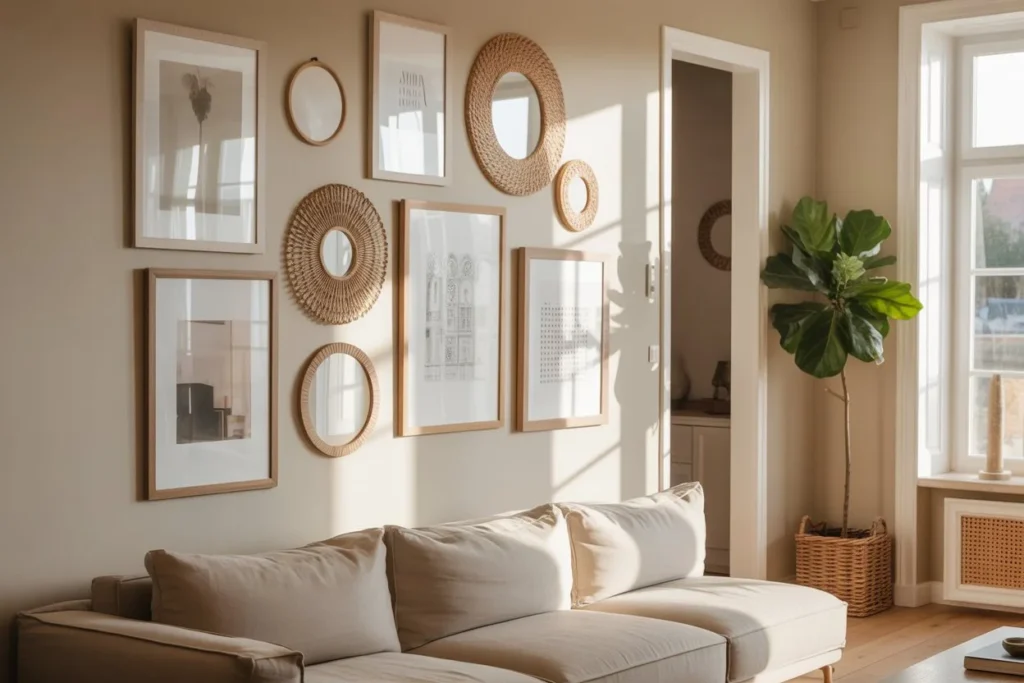
Gallery walls have long been a favorite way to showcase personality, creativity, and style. But when you mix art and mirrors intentionally, a gallery wall becomes more than decorative. It becomes a powerful design tool that reflects light, opens up space, and transforms the mood of a room.
Whether you are working with a small apartment, a low-light hallway, or a cozy living room that needs visual energy, combining artwork and mirrors in one cohesive wall layout can dramatically elevate the space. The key lies in balance, placement, and thoughtful styling.
This guide breaks down exactly how to mix art and mirrors in a gallery wall to enhance light while keeping the design polished and timeless.
Why Mix Art and Mirrors in a Gallery Wall?
Art tells a story. Mirrors manipulate light. When combined, they create depth, movement, and brightness without overwhelming the room.
A well-designed art and mirror gallery wall can:
- Reflect natural and artificial light throughout the space
- Make small rooms feel larger and more open
- Add visual variety without clutter
- Balance bold artwork with airy reflective surfaces
- Act as both decor and functional design
Instead of relying solely on lighting fixtures or paint colors, mirrors work quietly in the background, amplifying what is already there.
Choosing the Right Mirrors for a Gallery Wall
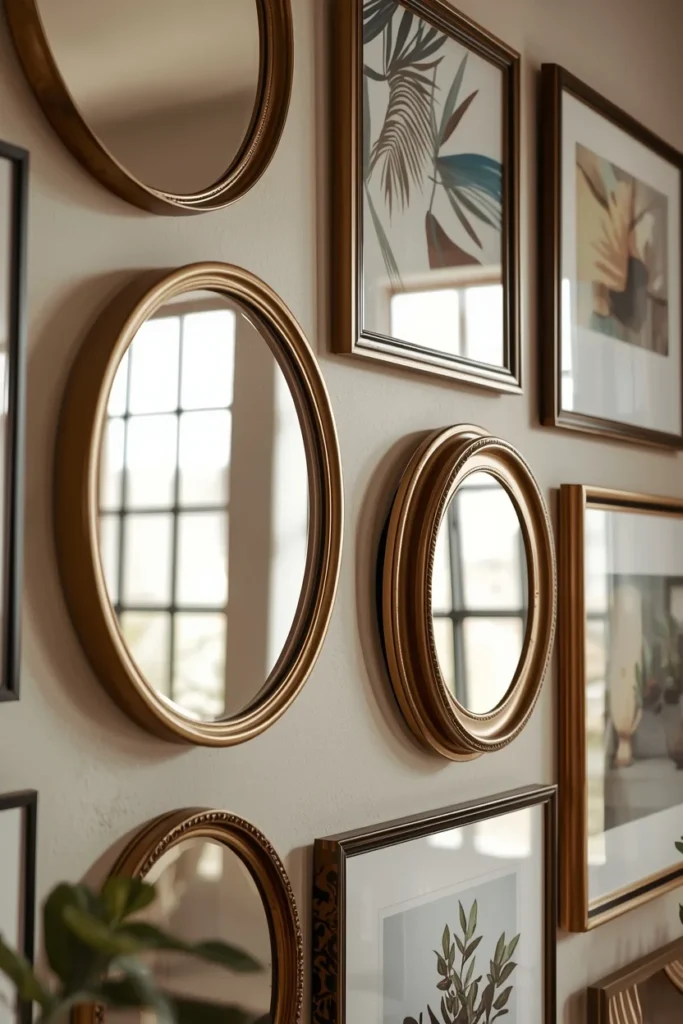
Not all mirrors work well in a mixed gallery wall. The style, size, and frame matter just as much as the artwork around them.
Mirror Shapes That Work Best
- Round mirrors soften straight lines and add contrast
- Arched mirrors bring elegance and height
- Rectangular mirrors blend seamlessly with framed art
- Organic or irregular mirrors add a modern, artistic feel
Using a mix of shapes keeps the wall visually dynamic while preventing it from feeling rigid.
Frame Styles to Consider
- Thin metal frames for modern and minimalist interiors
- Wooden frames for warmth and natural texture
- Antique or distressed frames for vintage and eclectic spaces
- Frameless mirrors for a clean, light-reflecting look
The goal is harmony, not uniformity. Let mirrors echo the style of the artwork without overpowering it.
Selecting Artwork That Complements Mirrors
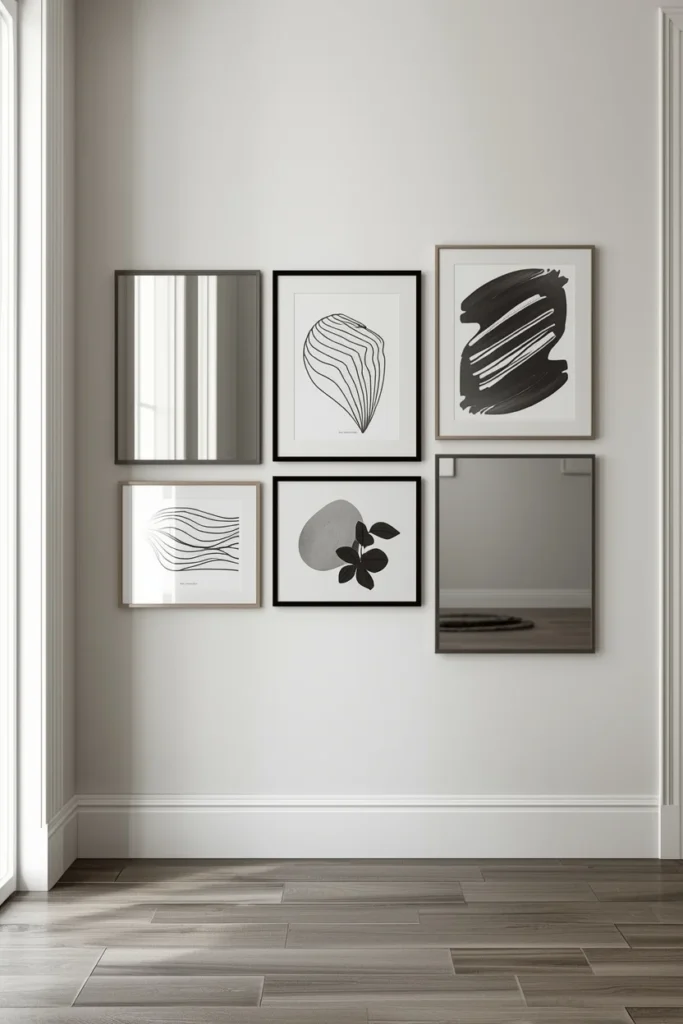
When mirrors are part of the layout, artwork selection becomes more intentional.
Best Art Types for Mixed Gallery Walls
- Line art and sketches
- Abstract paintings
- Black and white photography
- Soft color illustrations
- Typography prints used sparingly
Busy or heavily textured art can feel overwhelming when paired with reflective surfaces. Opt for pieces that allow the eye to rest.
Color Choices Matter
Neutral tones, muted hues, and earthy shades work especially well. These colors bounce light subtly rather than absorbing it, keeping the wall bright and cohesive.
Planning the Layout for Balance and Flow
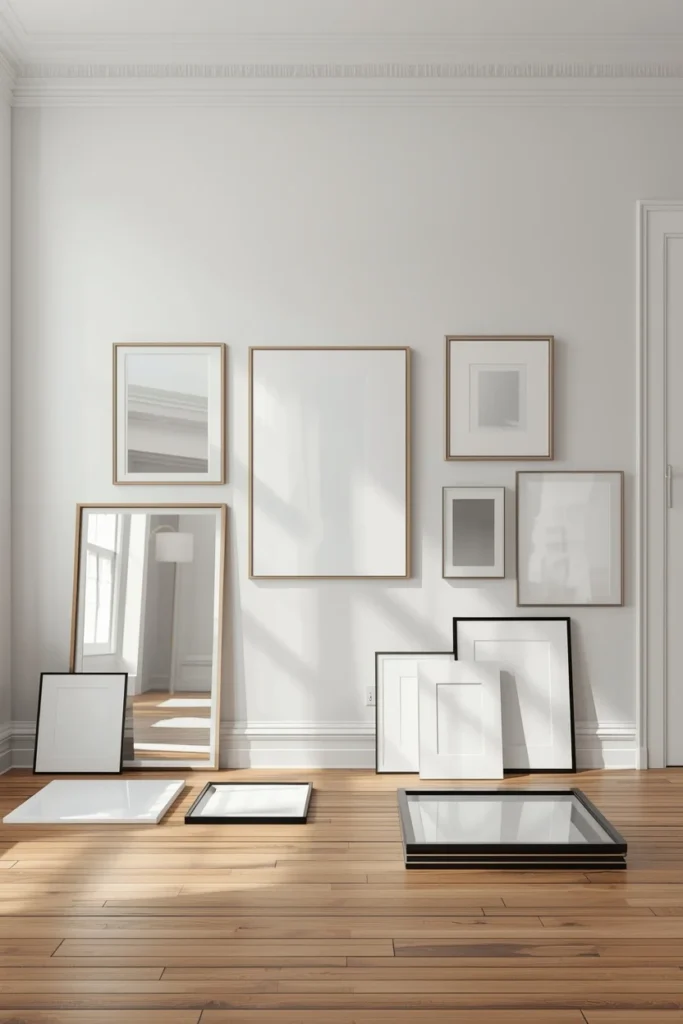
A gallery wall that mixes art and mirrors should feel curated, not chaotic.
Start With a Visual Anchor
Choose one larger piece, either a mirror or a statement artwork, and build outward from it. This anchor gives the eye a starting point.
Distribute Mirrors Evenly
Avoid clustering all mirrors in one area. Spreading them across the wall ensures light is reflected throughout the space.
Maintain Consistent Spacing
Even spacing between frames creates structure and prevents visual clutter, especially when mixing different frame sizes.
Keep the Layout Flexible
Before hanging anything, lay the pieces out on the floor or trace paper templates on the wall. This step saves time and prevents unnecessary holes.
Gallery Wall Ideas That Maximize Light
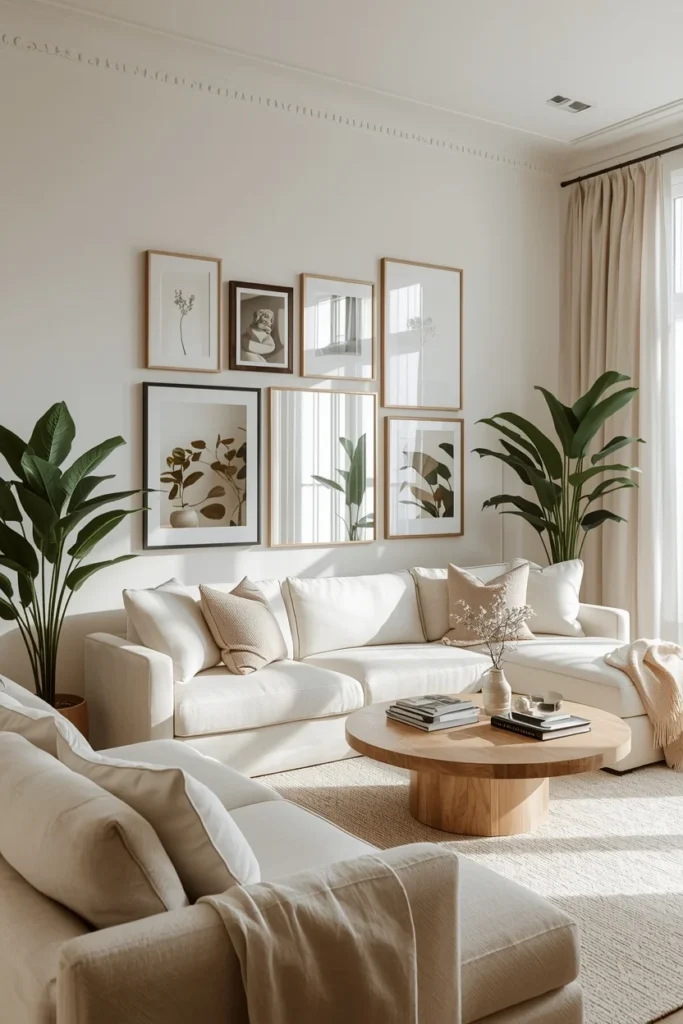
Here are a few design approaches that work especially well when mixing art and mirrors.
Symmetrical Layouts for Clean Spaces
Perfect for modern living rooms or dining areas, symmetrical arrangements feel calm and polished while reflecting light evenly.
Organic Layouts for Creative Homes
An asymmetrical layout feels relaxed and layered. This style works beautifully in boho, eclectic, or artistic interiors.
Vertical Gallery Walls
Stacking art and mirrors vertically draws the eye upward and makes ceilings feel higher. Ideal for narrow hallways or staircases.
Horizontal Arrangements
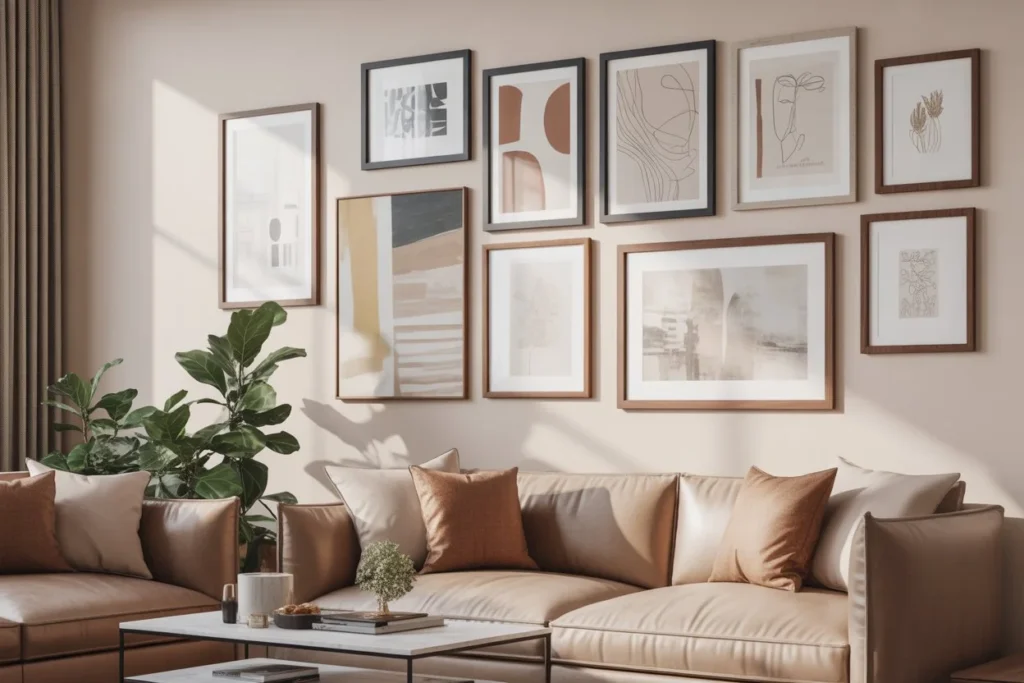
A horizontal gallery wall above a sofa or console visually widens the room and spreads light across the wall.
Best Rooms for Art and Mirror Gallery Walls
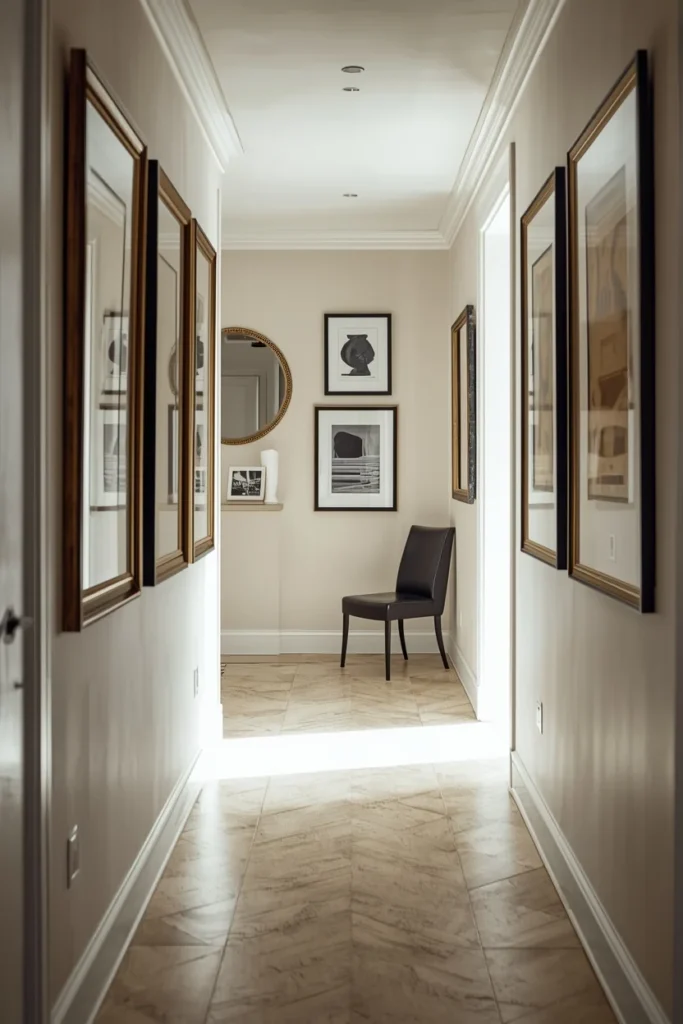
Some spaces benefit more than others from reflective gallery walls.
Living Rooms
Mirrors enhance ambient light while artwork adds personality. This combination creates a welcoming and balanced focal point.
Hallways and Entryways
Often low on natural light, these areas instantly feel brighter and more open with mirrored elements.
Bedrooms
A softer mix of art and mirrors adds depth without making the space feel too busy. Keep reflections subtle and calming.
Dining Rooms
Mirrors reflect both light and movement, making gatherings feel more vibrant and visually engaging.
Styling Tips for a Cohesive Look
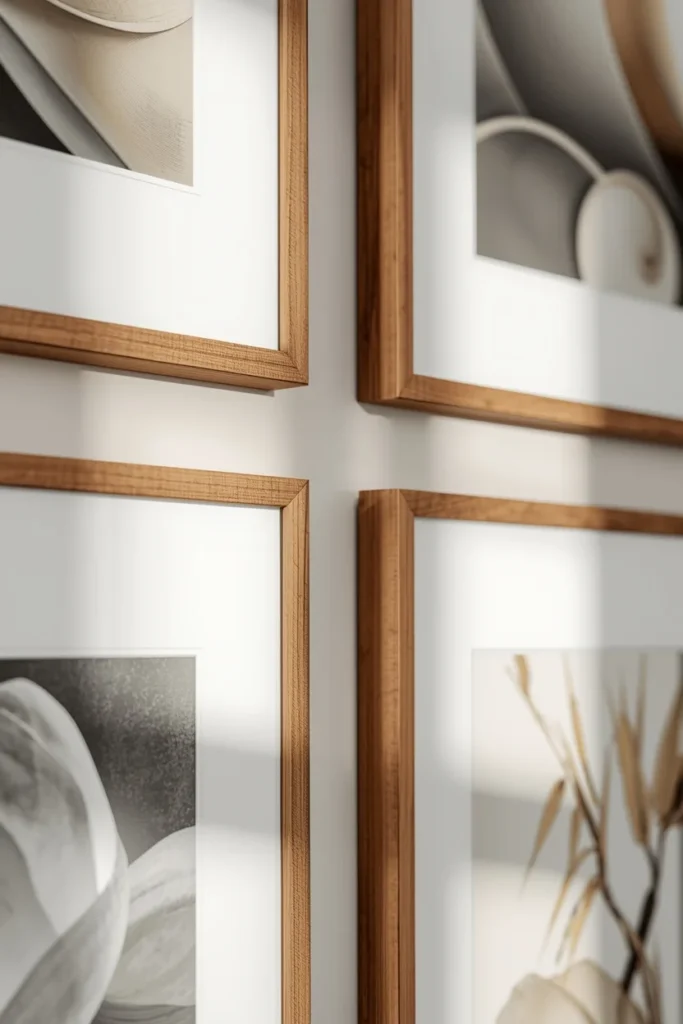
Even the best layout can fall flat without thoughtful styling.
Stick to a Consistent Frame Palette
Choose two to three frame finishes and repeat them throughout the wall to create unity.
Mix Textures Thoughtfully
Combine glass, wood, metal, and paper for depth, but avoid introducing too many competing materials.
Consider the Wall Color
Light walls amplify the effect of mirrors, while darker walls create contrast and drama. Both work when styled intentionally.
Keep Surrounding Decor Minimal
Let the gallery wall be the focal point. Too many accessories nearby can distract from the design.
Common Mistakes to Avoid
Even experienced decorators can slip up. Here are a few pitfalls to watch for.
- Using mirrors that are too small to reflect meaningful light
- Overcrowding the wall with too many pieces
- Mixing too many frame styles without a unifying element
- Placing mirrors where they reflect clutter or blank walls
- Ignoring the relationship between furniture and wall art
Thoughtful editing is what separates a polished gallery wall from a busy one.
Final Thoughts
Mixing art and mirrors in a gallery wall is one of the smartest ways to elevate a space without major renovations. When done right, it enhances light, adds depth, and brings personality to your walls in a way that feels both stylish and functional.
By choosing the right mirrors, pairing them with thoughtful artwork, and planning a balanced layout, you can create a gallery wall that feels intentional, bright, and timeless. Whether your style is modern, minimalist, or eclectic, this approach adapts beautifully to any home.
A gallery wall should never feel forced. Let the light guide your choices, and the result will feel effortless, inviting, and uniquely yours.