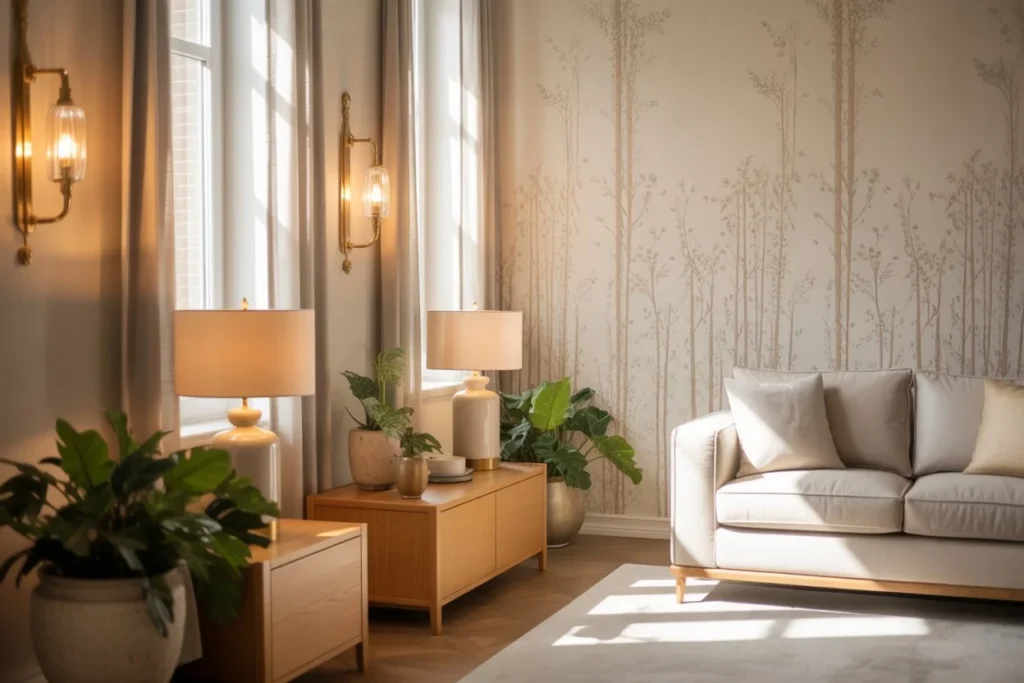
Decorating a low light room can feel tricky. Limited natural light often makes spaces look smaller, duller, or closed in. Many homeowners worry that wallpaper will make the problem worse. In reality, the right wallpaper patterns can completely change how a dim room feels.
When chosen thoughtfully, wallpaper can reflect light, add depth, and bring warmth without overwhelming the space.
This guide explores the best wallpaper patterns for low light rooms, focusing on practical design choices that work in real homes.
From subtle textures to light enhancing prints, this article breaks down what to use, what to avoid, and how to get the most out of wallpaper in rooms with little sunlight.
Why Wallpaper Is a Smart Choice for Low Light Spaces
Paint is often the default option for dim rooms, but wallpaper offers more flexibility. Patterns and textures can add visual interest even when lighting is limited. Certain wallpapers reflect artificial light better than paint, helping brighten the space.
Wallpaper also allows homeowners to introduce personality without relying on bold colors that might darken the room. With the right design, wallpaper can make low light rooms feel intentional rather than forgotten.
Best Wallpaper Patterns for Low Light Rooms
1. Light Botanical and Nature Inspired Patterns
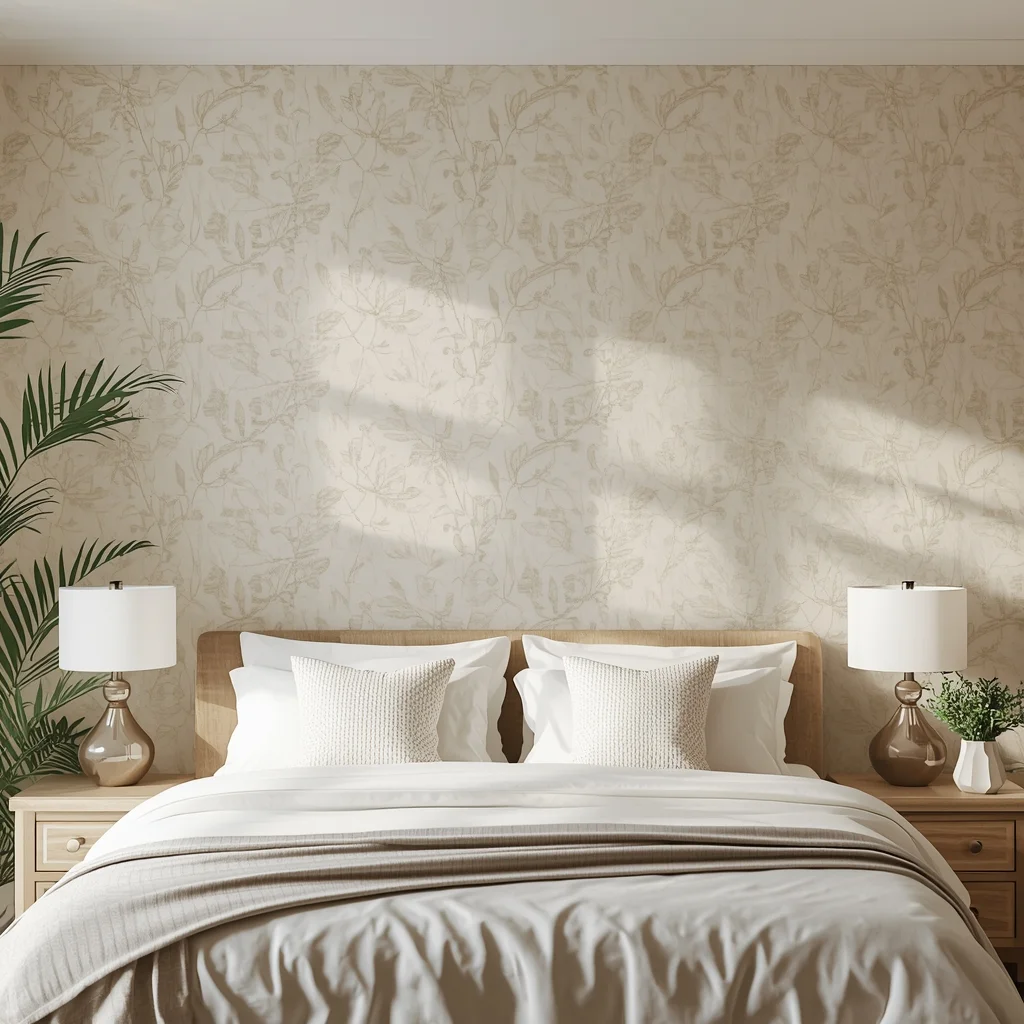
Botanical wallpaper patterns are a popular choice for low light rooms when done in soft tones. Think delicate leaves, vines, or floral outlines on a light background.
These patterns add movement and life to walls without needing bright sunlight. Nature inspired designs also create a calming effect, making them ideal for bedrooms, reading nooks, or small living spaces.
Best uses include:
- Bedrooms with small windows
- Powder rooms
- Cozy sitting areas
Recommended colors include sage green, soft olive, pale blue, and warm ivory backgrounds.
2. Vertical Stripe Wallpaper to Add Height
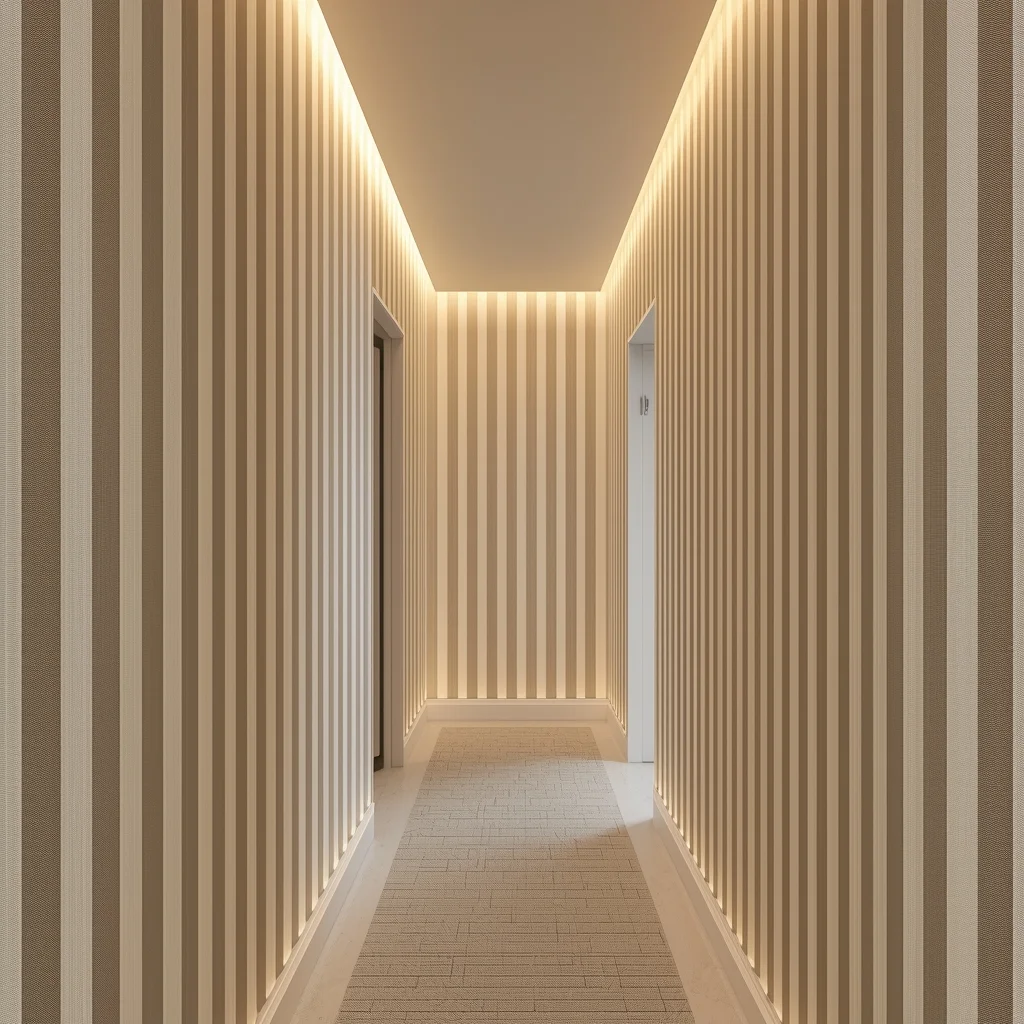
Vertical stripes are one of the most effective wallpaper patterns for low light rooms. They create the illusion of height, which helps rooms feel more open and airy.
In dim spaces, thin stripes in light shades work best. Avoid harsh contrasts. Instead, choose tone on tone stripes such as cream and beige or light grey and white.
Vertical striped wallpaper works especially well in:
- Hallways
- Small bedrooms
- Low ceiling rooms
This pattern also pairs well with simple furniture and minimal decor.
3. Subtle Geometric Patterns
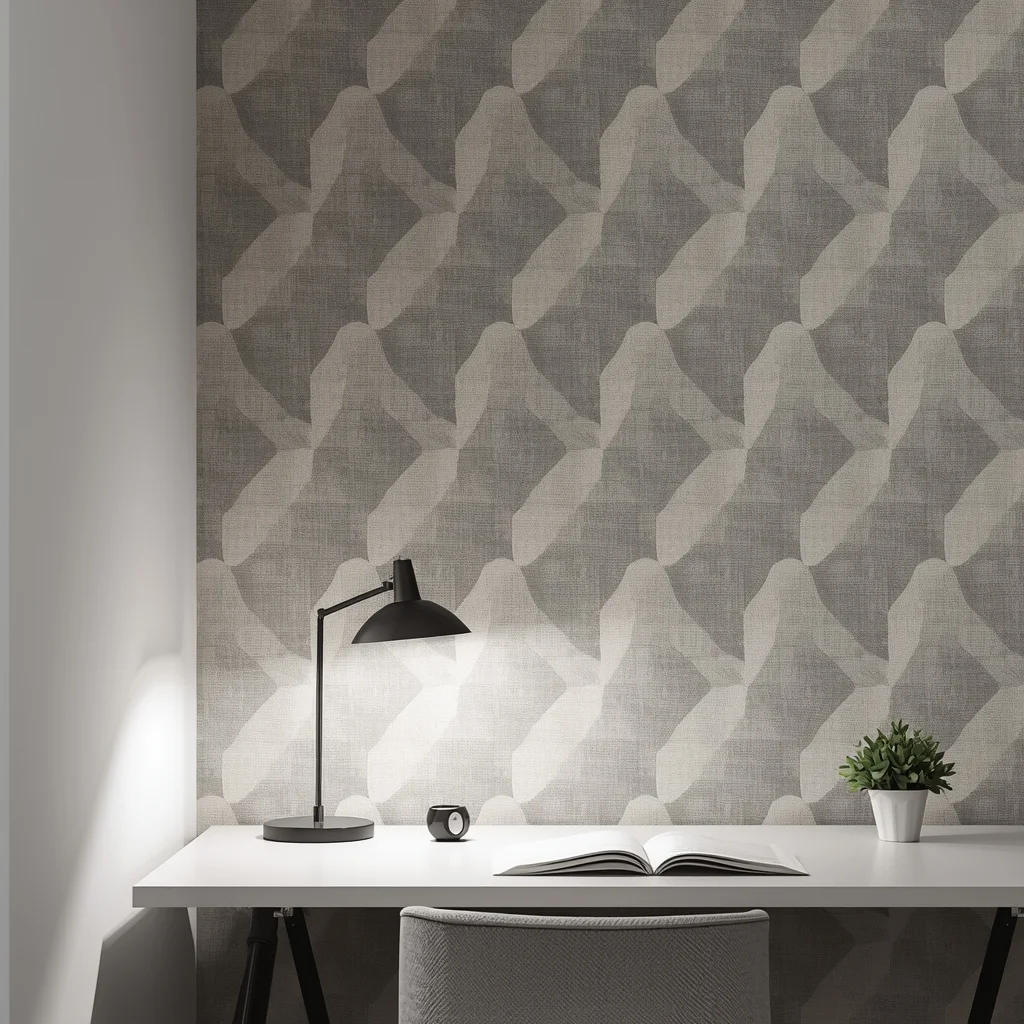
Geometric wallpaper patterns can add structure and interest without overpowering a low light room. The key is subtlety. Small scale geometric designs in soft colors provide visual texture while keeping the room balanced.
Hexagons, diamonds, and linear patterns work well when printed in low contrast shades. These designs reflect artificial light nicely, especially when paired with modern lighting.
Ideal spaces for geometric wallpaper include:
- Home offices
- Entryways
- Accent walls in living rooms
4. Textured Wallpaper That Mimics Natural Materials
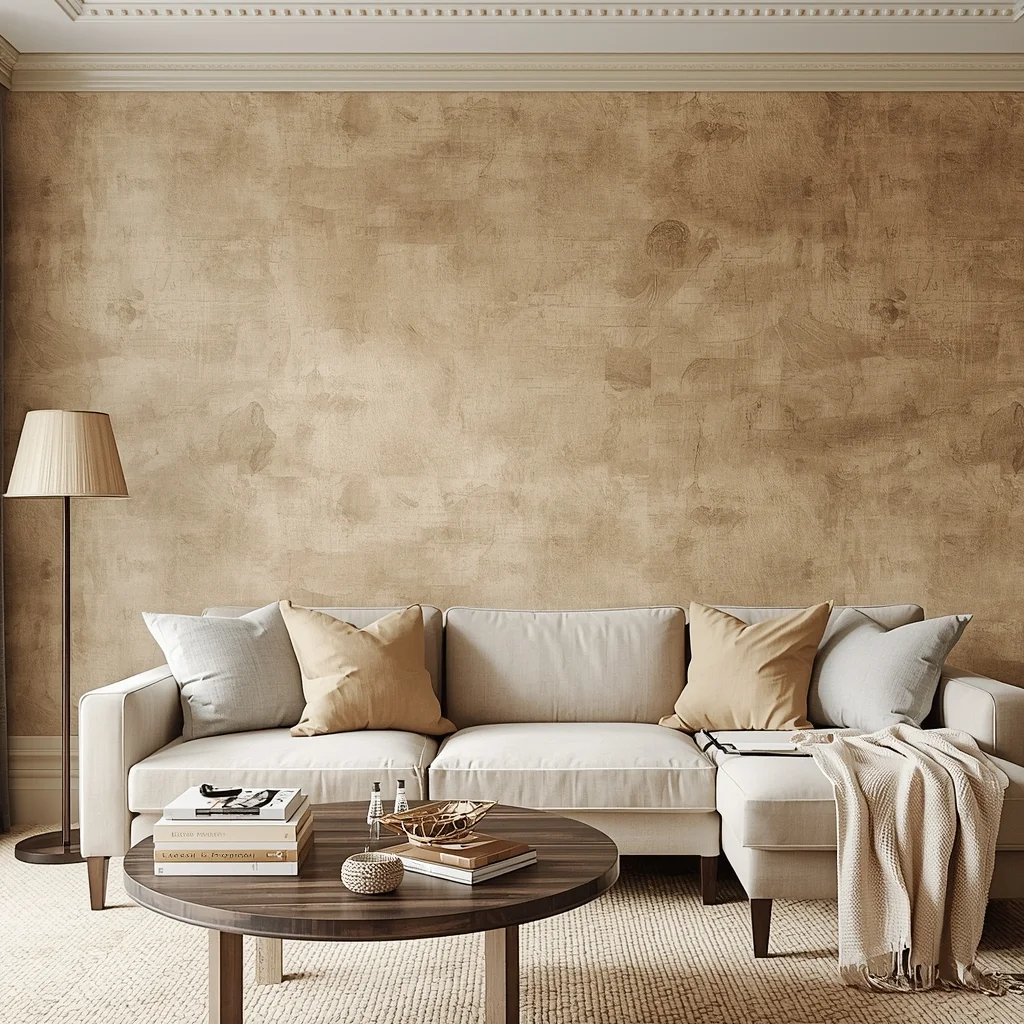
Textured wallpaper patterns are excellent for low light rooms because they add depth without relying on bold color. Designs that mimic linen, plaster, wood grain, or fabric bring warmth and character.
Faux texture wallpapers create visual interest even under artificial lighting. Light neutral tones enhance the effect and prevent the room from feeling heavy.
Popular textured wallpaper options include:
- Linen effect wallpaper
- Soft concrete look designs
- Light grasscloth inspired patterns
These are great for living rooms, dining areas, and master bedrooms.
5. Soft Metallic and Pearl Finish Patterns
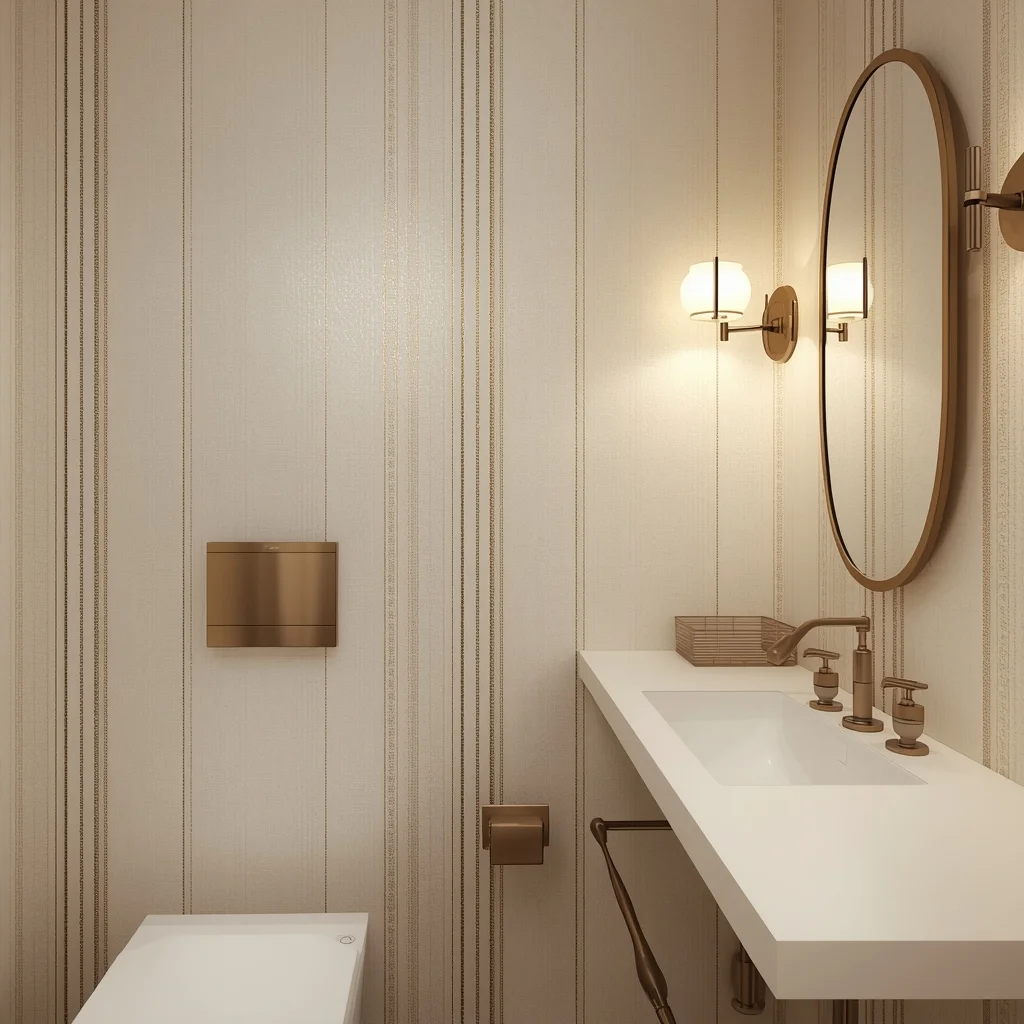
Metallic wallpaper patterns often get overlooked, but they can be very effective in low light rooms. When used sparingly, metallic accents help bounce light around the space.
Look for wallpapers with subtle metallic threads or pearl finishes rather than high shine designs. Soft gold, champagne, silver, or bronze details on a light base work well.
Best rooms for metallic wallpaper include:
- Powder rooms
- Feature walls
- Small dining spaces
These patterns pair well with warm lighting and simple furnishings.
6. Minimalist Abstract Designs
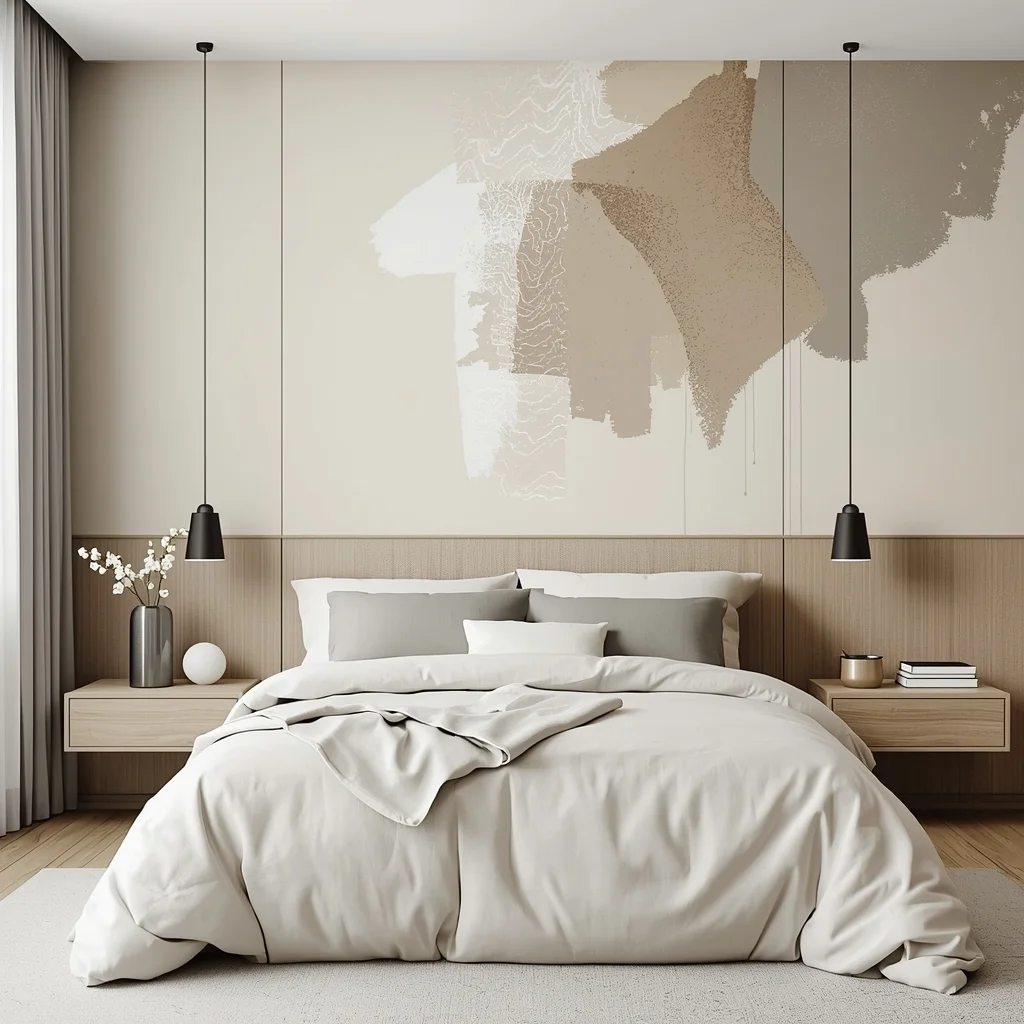
Abstract wallpaper patterns with gentle shapes and flowing lines are well suited for low light rooms. These designs add personality without relying on strong contrast.
Soft watercolor effects, blurred shapes, or organic lines in muted tones help create movement. Abstract designs are also versatile, fitting both modern and transitional interiors.
They work well in:
- Creative spaces
- Bedrooms
- Accent walls in open plan layouts
7. Light Damask and Traditional Patterns
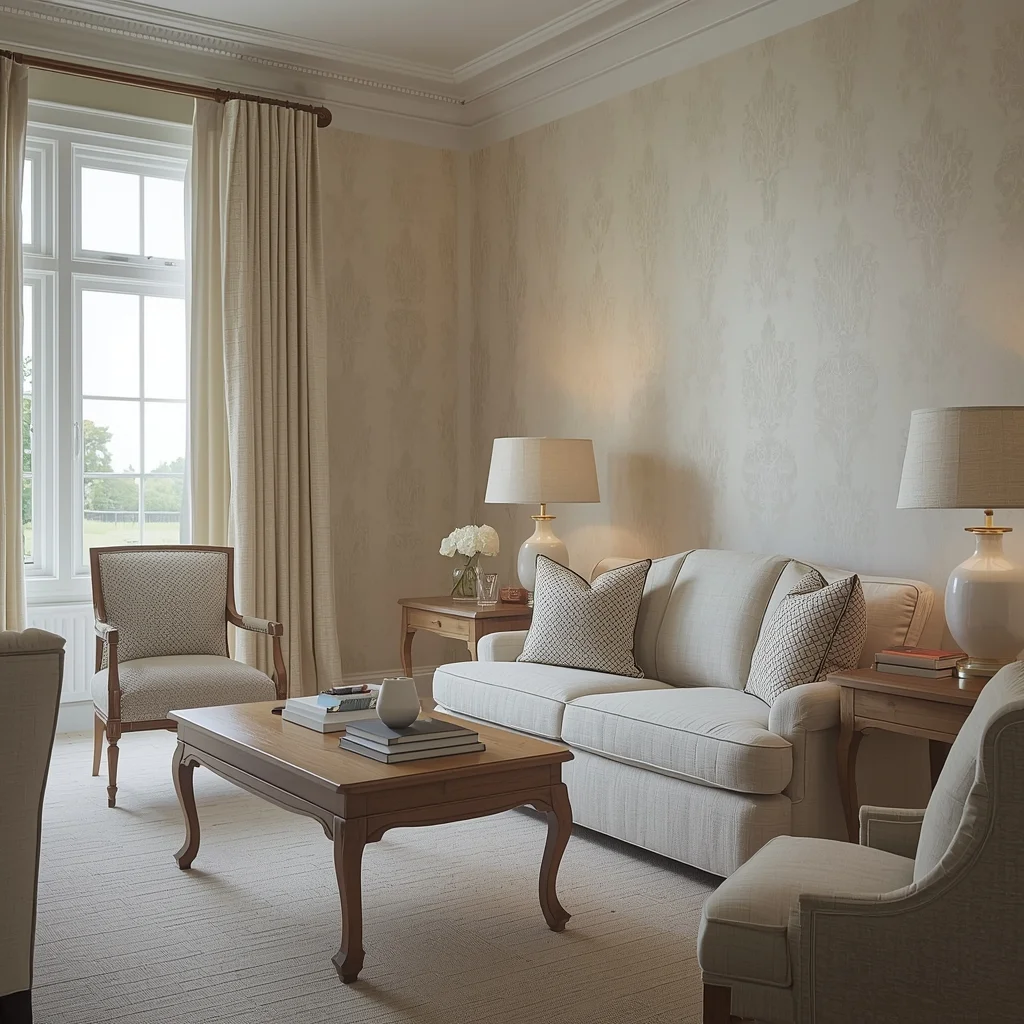
Damask wallpaper patterns are often associated with classic interiors. In low light rooms, lighter versions of damask designs can add elegance without heaviness.
Choose damask patterns with subtle detailing and a light background. Avoid heavy velvet look designs in dark shades.
These wallpapers are ideal for:
- Formal dining rooms
- Guest bedrooms
- Sitting rooms
They add depth and sophistication while maintaining brightness.
8. Small Scale Repeating Patterns
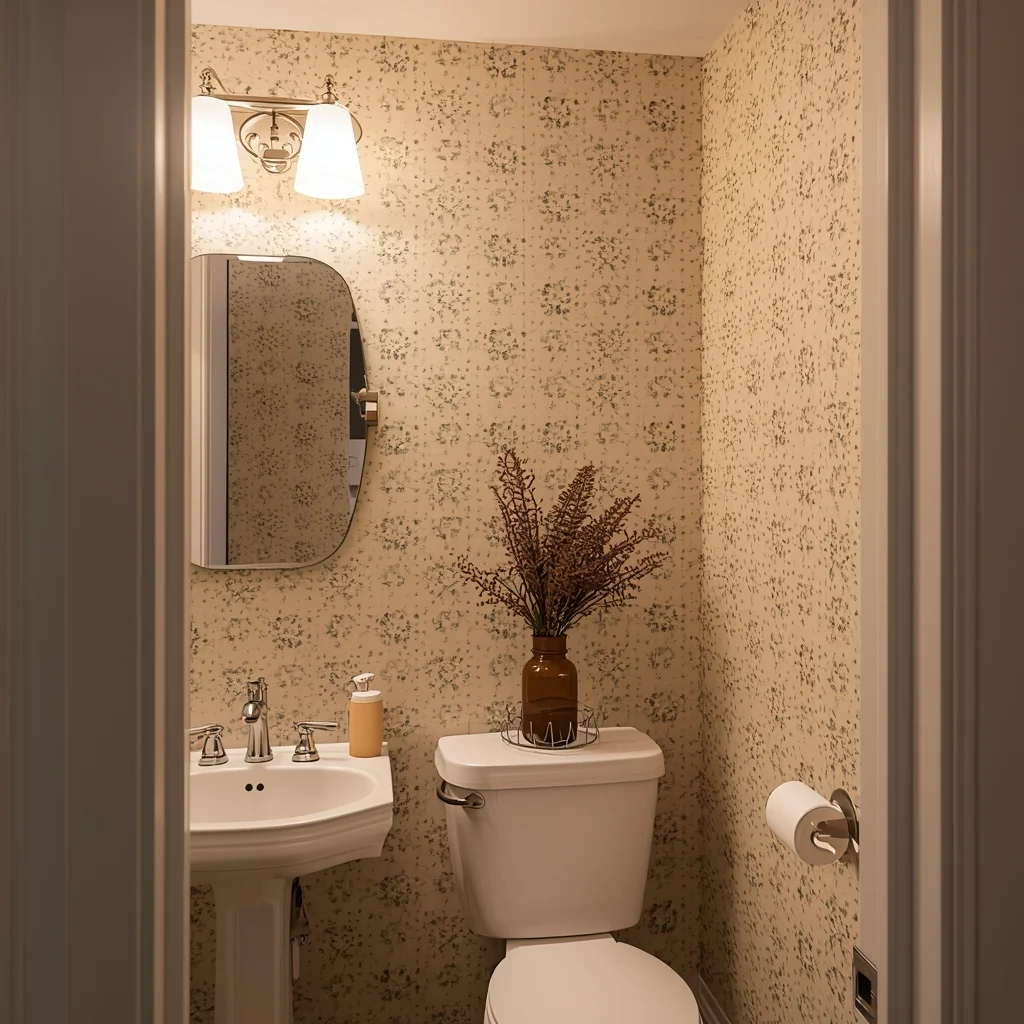
Repeating patterns such as dots, tiny florals, or micro motifs are excellent for low light rooms. They create texture without dominating the space.
Small patterns help walls feel more detailed, which keeps the room interesting even with limited natural light.
Best applications include:
- Bathrooms
- Laundry rooms
- Hallways
Stick to light color combinations for best results.
Wallpaper Patterns to Avoid in Low Light Rooms
While many designs can work, some wallpaper patterns tend to make low light rooms feel darker or more cramped.
Patterns to be cautious with include:
- Very dark backgrounds with heavy prints
- Large scale bold florals in deep colors
- High contrast black and white designs
- Busy patterns with multiple strong colors
If these styles are preferred, they should be limited to a single accent wall and paired with strong artificial lighting.
Using Wallpaper Strategically in Low Light Rooms
Wallpaper does not always need to cover every wall. Strategic placement can make a big difference.
Accent Walls
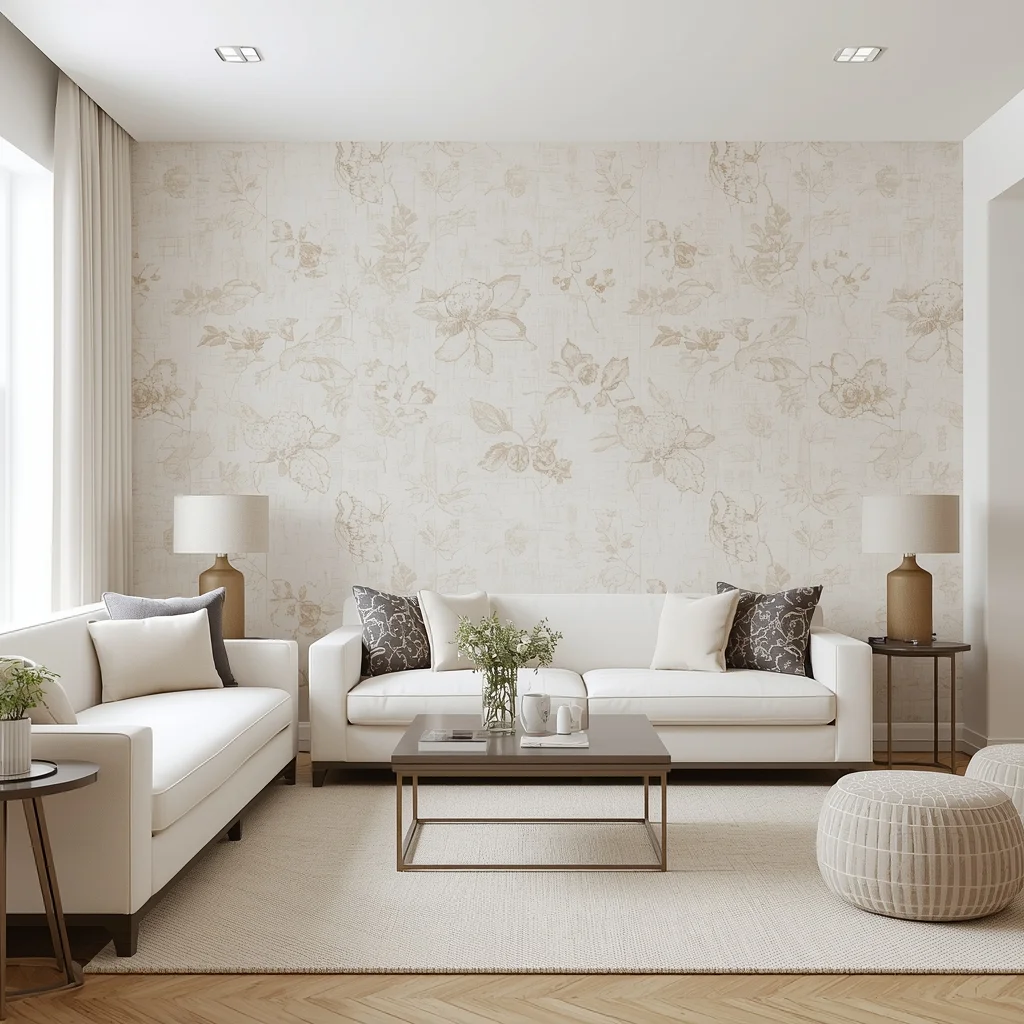
Using wallpaper on one wall helps create a focal point without overwhelming the space. This works well in bedrooms and living rooms.
Half Wall Applications
Wallpapering the lower half of a wall with light patterns adds interest while keeping the upper portion bright.
Ceiling Wallpaper
In some low light rooms, wallpapering the ceiling with a light reflective pattern can add character without darkening the walls.
Lighting and Wallpaper: A Crucial Partnership
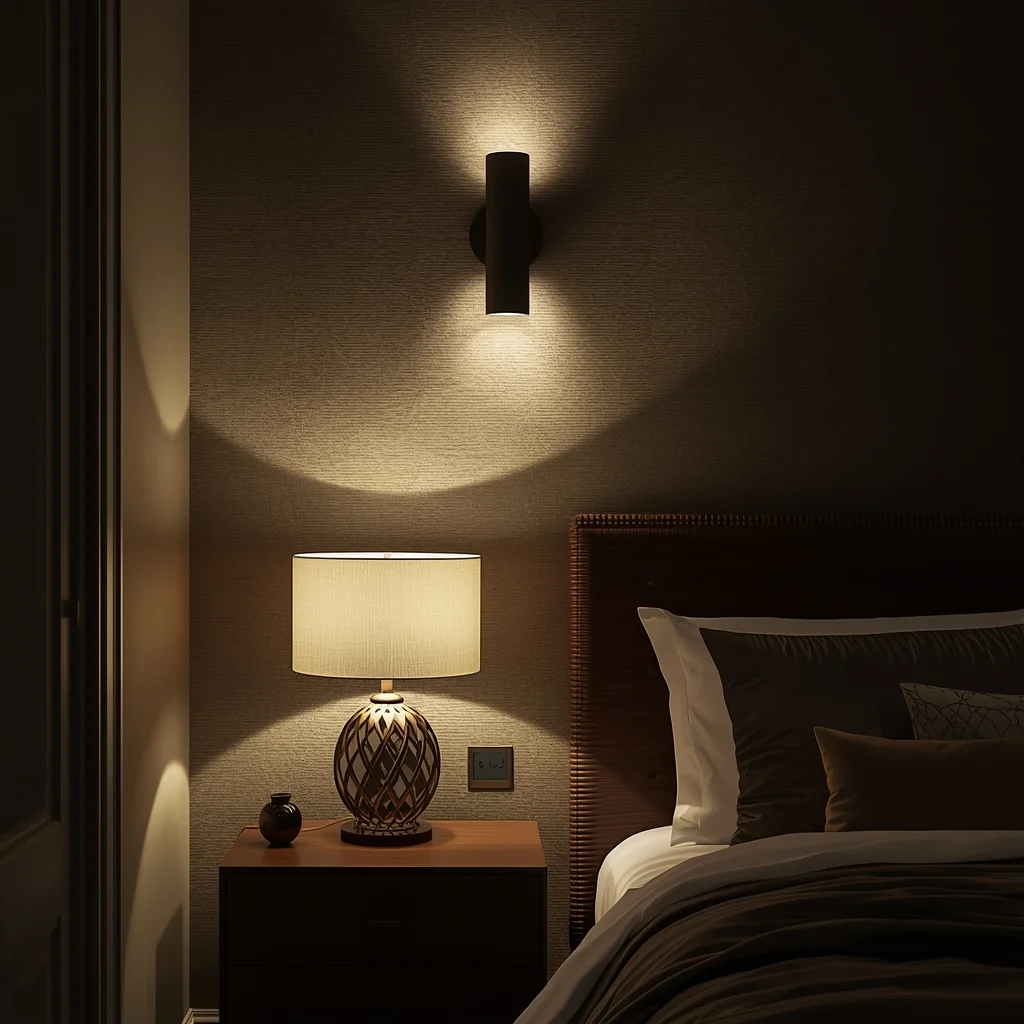
Even the best wallpaper patterns need proper lighting to shine. Warm white bulbs, layered lighting, and wall sconces enhance wallpaper textures and finishes.
Lighting tips include:
- Use warm neutral bulbs instead of cool white
- Add wall washers to highlight wallpaper texture
- Avoid harsh overhead lighting that flattens patterns
The right lighting brings out the details in wallpaper and makes the room feel welcoming.
Matching Wallpaper with Furniture and Decor
Wallpaper should complement the rest of the room. In low light spaces, furniture and decor should remain balanced.
Best practices include:
- Choose lighter furniture finishes
- Use mirrors to reflect light and wallpaper patterns
- Keep window treatments sheer or minimal
- Limit heavy dark accessories
This approach keeps the room cohesive and visually open.
Maintenance and Longevity Considerations
Low light rooms often experience less UV exposure, which means wallpaper tends to last longer without fading. However, moisture and ventilation should still be considered, especially in bathrooms and basements.
Vinyl and washable wallpapers are practical choices for these spaces. They are durable and easy to maintain.
Final Thoughts
Low light rooms do not have to feel dull or uninviting. With the right wallpaper patterns, these spaces can become some of the most stylish areas in the home. Light colors, subtle patterns, gentle textures, and reflective finishes all work together to enhance brightness and depth.
The key is balance. Wallpaper should add interest without overpowering the room. When paired with thoughtful lighting and simple decor, wallpaper becomes a powerful design tool for low light spaces.
Choosing the best wallpaper patterns for low light rooms is less about following trends and more about understanding how light, color, and pattern interact. With careful selection, even the darkest room can feel warm, welcoming, and beautifully designed.