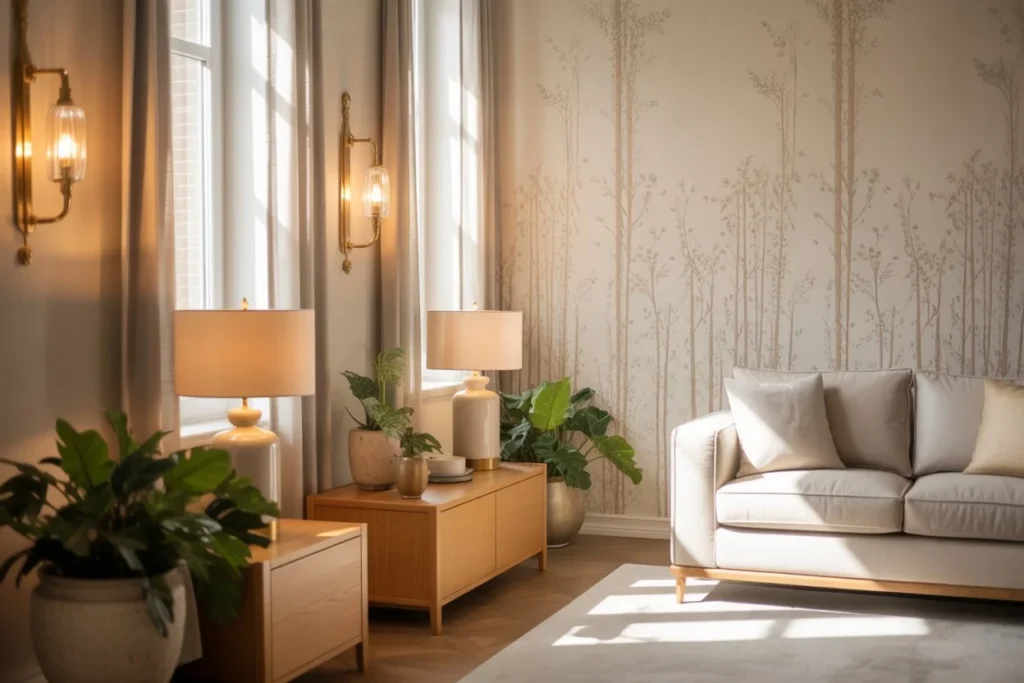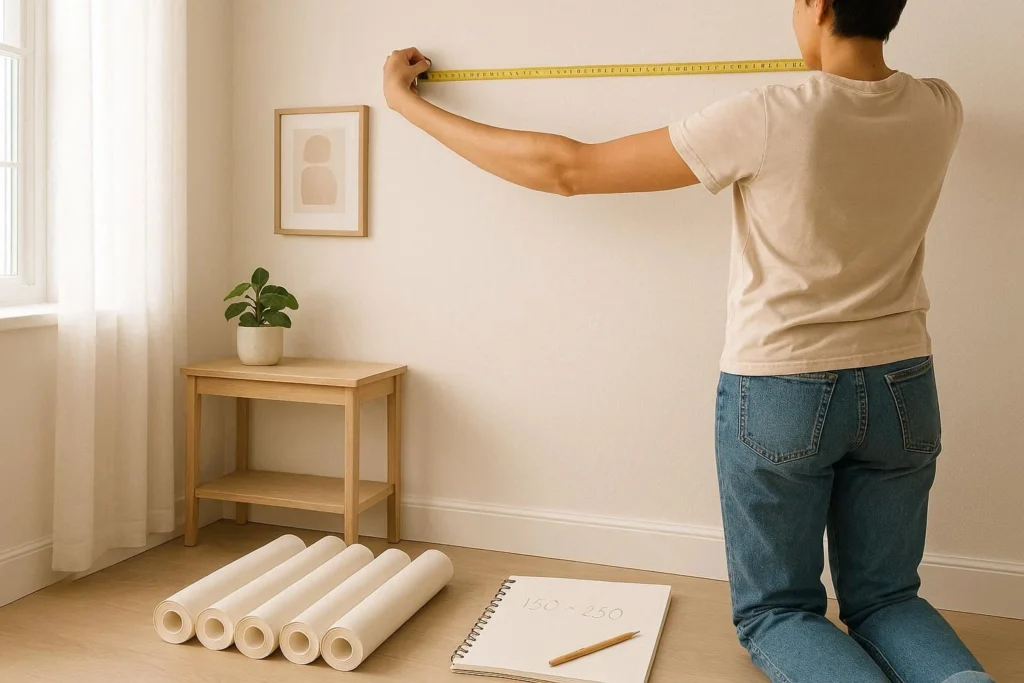
A practical, step by step guide for a smooth and stress free wallpaper project
Wallpaper has made a strong comeback in modern home decor. From soft textured neutrals to bold botanical prints, it is now one of the easiest ways to transform a room without a full renovation. But before choosing patterns and colors, one important question always comes up. How much wallpaper is actually needed?
Buying too little can delay the project and buying too much wastes money. This guide explains how to calculate wallpaper accurately, even if the walls have windows, doors, or tricky corners. It is written for homeowners, renters, and decor lovers who want clear answers without confusing math.
Why Calculating Wallpaper Correctly Matters
Wallpaper is sold in rolls, not by square foot like paint. Each roll covers a specific amount of wall space, and patterns often need matching. A small miscalculation can mean visible seams, mismatched designs, or extra rolls that never get used.
Accurate wallpaper calculation helps with:
- Staying within budget
- Avoiding color or pattern mismatch from different batches
- Reducing waste
- Completing the project in one go
Taking a little time to measure properly saves a lot of frustration later.
Understanding Wallpaper Roll Sizes
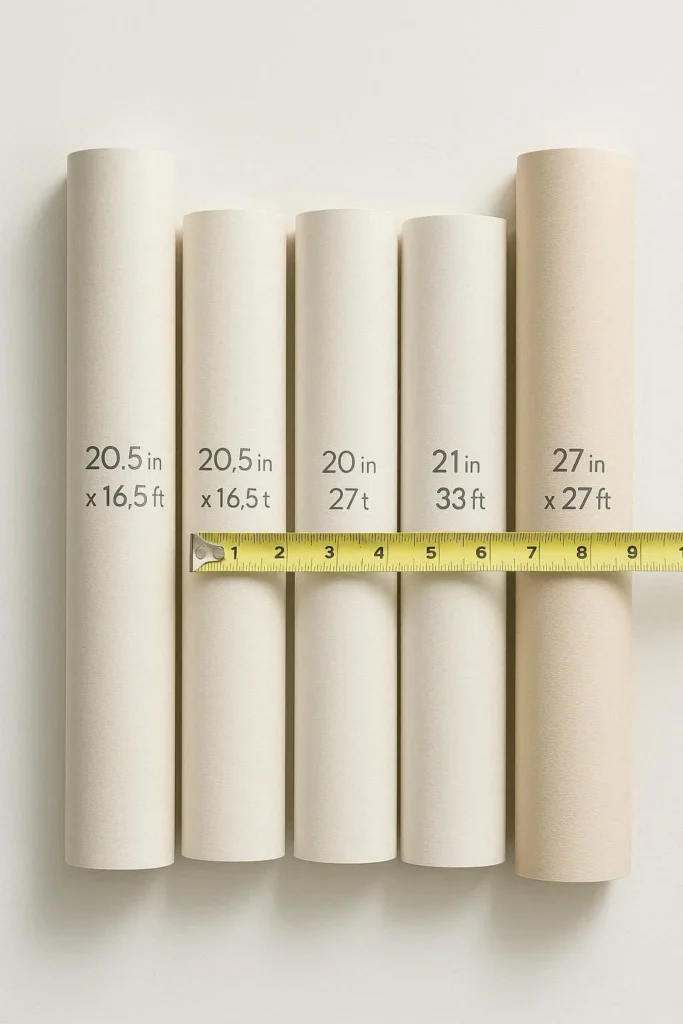
Before measuring the walls, it helps to understand how wallpaper is packaged.
Standard Wallpaper Roll Size
Most standard wallpaper rolls measure:
- Width: 20.5 inches (52 cm)
- Length: 33 feet (10 meters)
This usually covers about 56 square feet per roll before accounting for pattern repeat and trimming.
Double Rolls Explained
Many retailers list wallpaper as a “double roll.” This does not mean the roll is physically double. It is a pricing method.
- One double roll equals two standard rolls
- Coverage is roughly 112 square feet
Always check whether pricing is listed per single roll or double roll to avoid confusion.
Tools Needed to Measure for Wallpaper
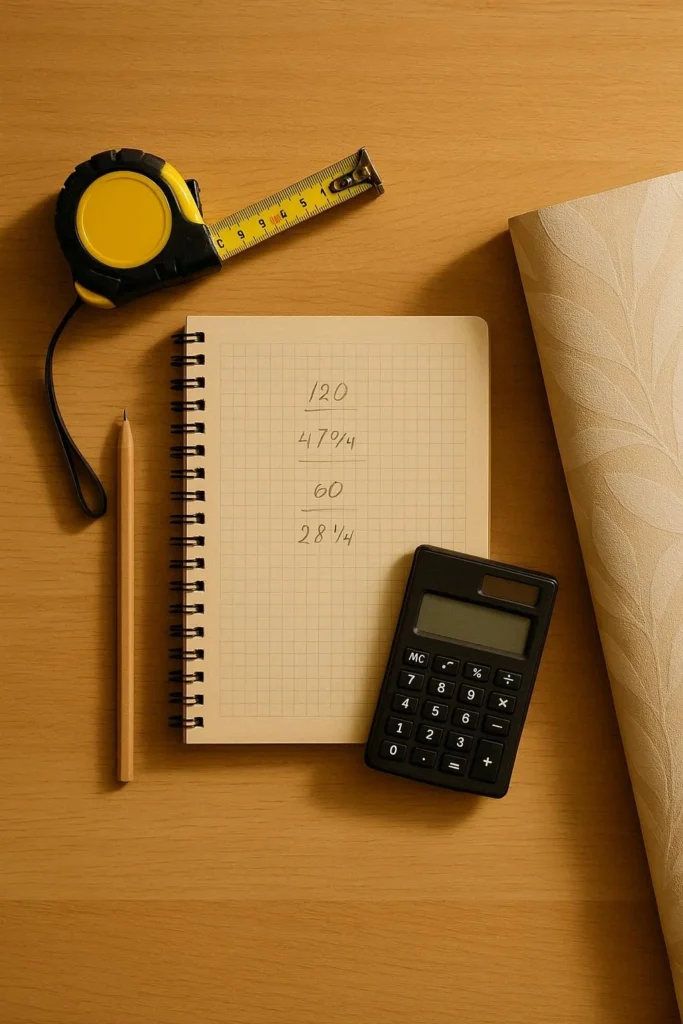
Measuring does not require professional tools. Most people already have what they need at home.
- Measuring tape
- Pencil and paper or notes app
- Calculator
- Step stool or ladder
Accuracy matters more than speed here.
Step by Step Guide to Measuring Wall Space
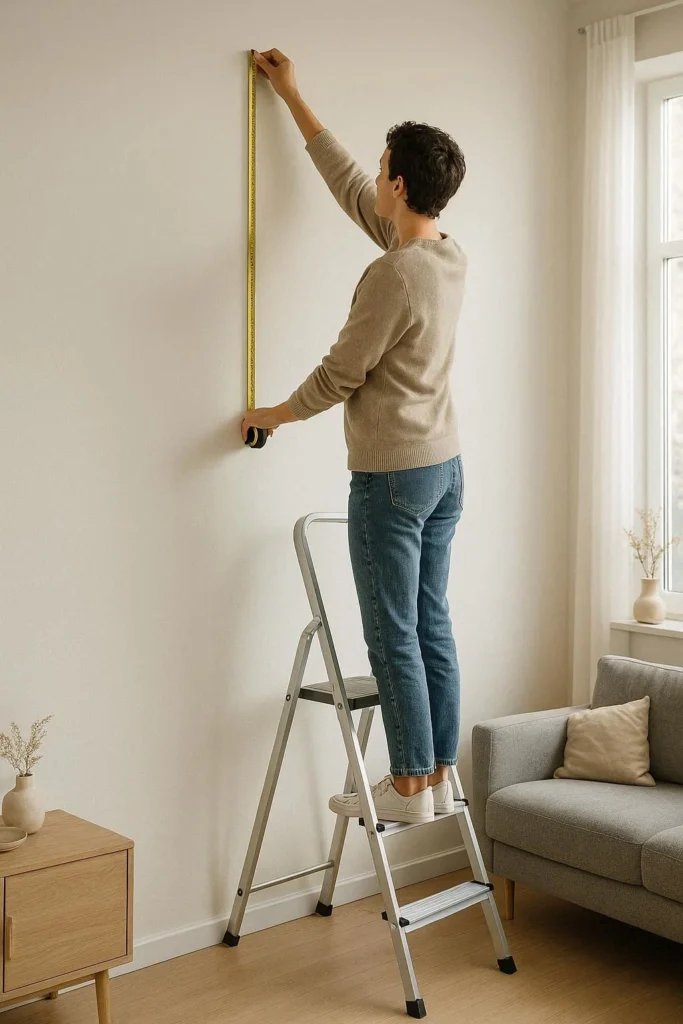
Step 1: Measure the Height of the Wall
Measure from the floor to the ceiling. Include baseboards and crown molding in the measurement unless the wallpaper will stop before them.
Write this number down. Wall height is critical because wallpaper is cut vertically.
Step 2: Measure the Width of Each Wall
Measure the width of every wall that will be wallpapered. Add the widths together to get the total wall width.
For example:
- Wall 1: 10 feet
- Wall 2: 12 feet
- Wall 3: 10 feet
Total width = 32 feet
Step 3: Ignore Doors and Windows at First
At this stage, do not subtract doors or windows. Wallpaper calculations work best when the full wall area is measured first. Adjustments can be made later if needed.
Calculating the Number of Wallpaper Panels Needed
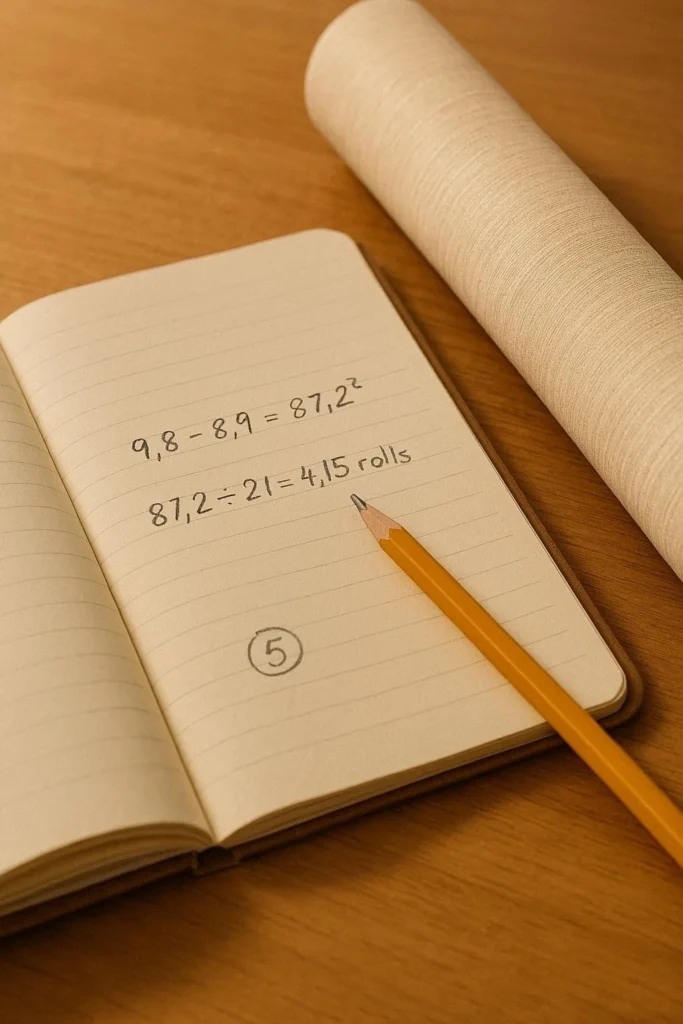
Wallpaper is applied in vertical strips, also called drops or panels.
How to Calculate Number of Panels
- Convert total wall width into inches
- Divide by the width of one wallpaper roll
Example:
- Total wall width: 32 feet = 384 inches
- Wallpaper width: 20.5 inches
384 ÷ 20.5 = 18.7
Always round up.
So, 19 panels are needed.
Calculating How Many Panels Come From One Roll
Now look at the roll length.
Formula
Roll length ÷ wall height = number of panels per roll
Example:
- Roll length: 33 feet
- Wall height: 9 feet
33 ÷ 9 = 3.6
This means 3 full panels per roll, not 4.
Calculating Total Wallpaper Rolls Needed
Now divide the total number of panels by panels per roll.
Example:
- Total panels needed: 19
- Panels per roll: 3
19 ÷ 3 = 6.33
Always round up.
So, 7 rolls are required.
Accounting for Pattern Repeat
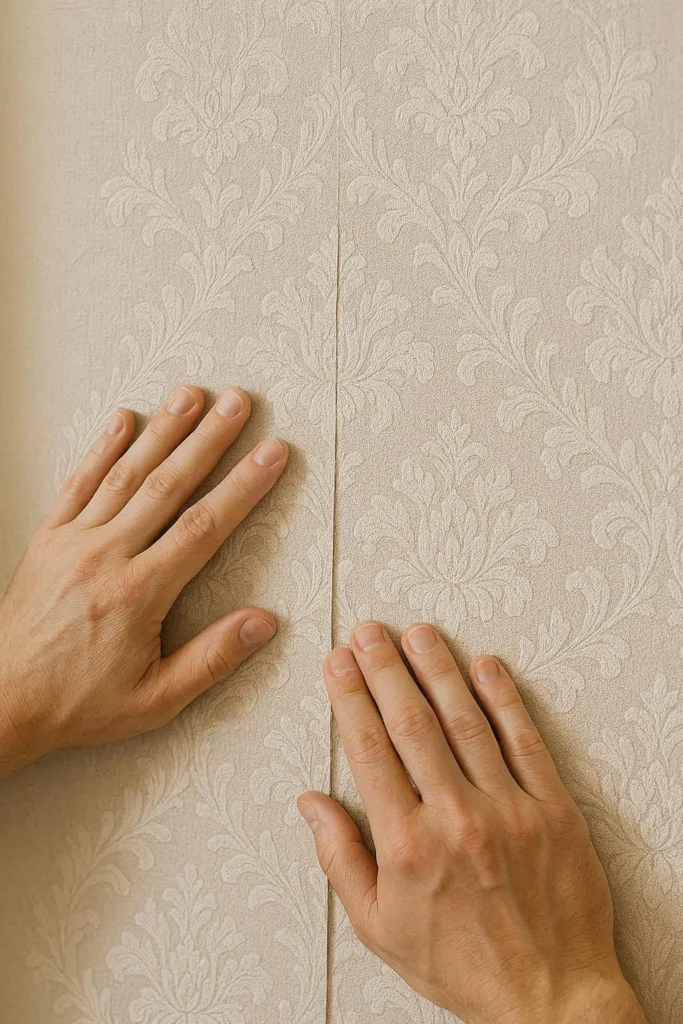
Pattern repeat is one of the most important factors in wallpaper calculation.
What Is Pattern Repeat?
Pattern repeat is the vertical distance before a design starts again. Large florals and geometric designs often have big repeats, while textures and grasscloth may have none.
The larger the repeat, the more wallpaper is wasted during alignment.
Types of Pattern Match
- Straight match: Pattern lines up straight across
- Drop match: Pattern shifts slightly between panels
- Random match: No alignment needed
Drop match and straight match usually require extra wallpaper.
How Pattern Repeat Affects Calculation
Manufacturers usually provide a repeat measurement. When the repeat is large, fewer panels can be cut from one roll.
As a rule:
- Small or no repeat: add 10 percent extra
- Medium repeat: add 15 percent extra
- Large repeat: add 20 percent extra
This buffer ensures clean pattern alignment.
Should Doors and Windows Be Subtracted?
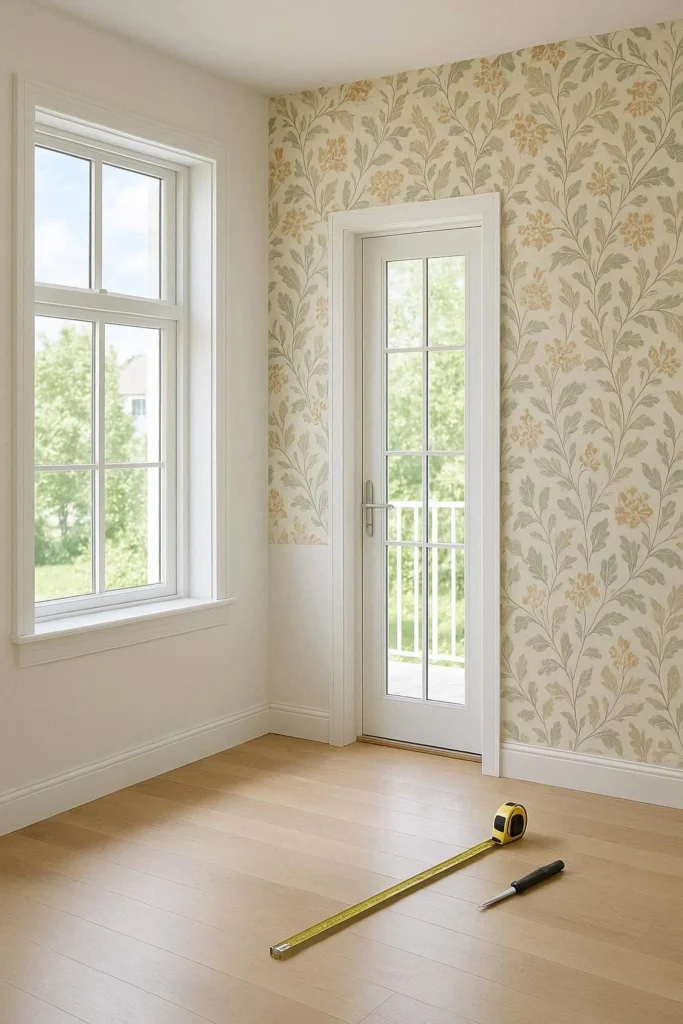
In most cases, doors and windows should not be subtracted from calculations. Wallpaper panels still run through these areas and are trimmed afterward.
However, for rooms with many large windows or sliding doors, one roll may be safely subtracted if measurements are precise.
For beginners, it is better to keep calculations simple and include a small buffer instead.
Wallpaper Calculator Tools vs Manual Measurement
Online wallpaper calculators can be helpful, especially for quick estimates. However, they often assume standard wall shapes and minimal pattern repeat.
Manual calculation gives more control and accuracy, especially for:
- Accent walls
- Sloped ceilings
- Older homes with uneven walls
- Custom wallpaper designs
Many professionals still calculate by hand for this reason.
How Much Extra Wallpaper Should Be Ordered?
It is always smart to order extra wallpaper.
Reasons include:
- Future repairs
- Pattern matching mistakes
- Misaligned cuts
- Batch color variations
A good rule is to order one extra roll beyond the calculated amount. This ensures consistency in color and finish if repairs are needed later.
Special Situations to Consider
Accent Walls
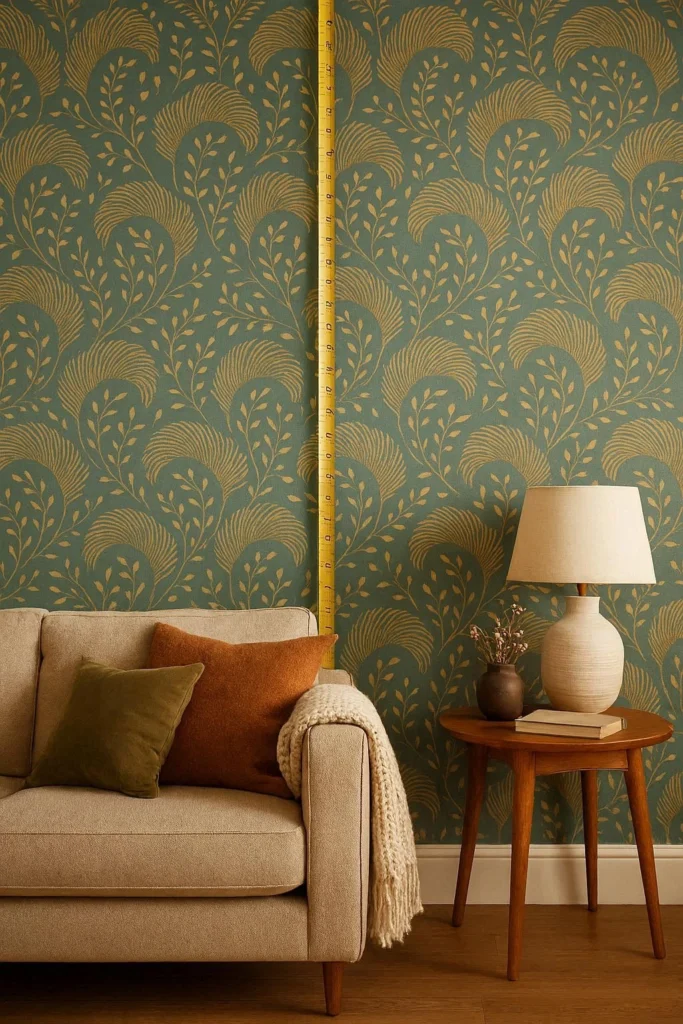
For one wall, measure only that wall. Accent walls are perfect for bold prints and murals, but precision matters more since every seam is visible.
Sloped or Angled Ceilings
Measure the tallest and widest points. Irregular shapes often require more wallpaper than expected.
Bathrooms and Kitchens
Humidity can affect wallpaper choice, but measurement remains the same. Always account for fixtures, cabinets, and backsplashes when planning layout.
Common Wallpaper Measuring Mistakes to Avoid
Even experienced decorators can make mistakes. These are the most common ones.
- Forgetting pattern repeat
- Rounding numbers down
- Confusing single and double rolls
- Measuring only one wall and assuming others match
- Not ordering extra
Avoiding these errors leads to a smoother installation.
Helpful Tips From Interior Decor Professionals
- Measure twice before ordering
- Keep wallpaper labels for future reference
- Buy all rolls at the same time
- Store leftover rolls in a cool, dry place
- Start installation from the most visible wall
These small habits make a big difference.
Final Thoughts on Calculating Wallpaper
Calculating how much wallpaper is needed does not have to be complicated. With a measuring tape, a few simple formulas, and attention to pattern repeat, anyone can plan a wallpaper project confidently.
Wallpaper adds warmth, texture, and personality to a space. Getting the measurements right ensures the focus stays on design rather than delays or extra costs. Whether decorating a cozy bedroom, a stylish living room, or a bold entryway, careful planning is the first step toward a beautiful result.
Taking time to calculate correctly allows the wallpaper to do what it does best. Transform a wall into a statement that feels intentional, polished, and perfectly fitted.